Accademia Gallery TicketsTickets & Tours
Florence · History & visitor context

Accademia Gallery History & Visitor Information

The Accademia Gallery is more than David. It began as Florence’s art academy, grew through church and convent changes, and became a museum shaped by collecting, teaching, and conservation. This page shows the dates, changes, and details that make the visit clearer.

Official nameGalleria dell’Accademia di Firenze
Founded1784
Famous phase1882, when the present Galleria was established
Original functionArt academy and teaching collection
Origins

Why Florence made this place before David made it famous

The building began as a place for art study. That is why its rooms do not feel like a single monument. They hold teaching, collecting, and display in the same address.

01 1784

Grand Duke Pietro Leopoldo reorganised the Florence art academy

The Galleria’s origin dates to 1784, when Pietro Leopoldo’s reforms gave the academy a new home and purpose. The site drew on former hospital and convent spaces, so the museum grew from reused religious and civic fabric rather than from a single new palace.

Why this matters The museum began as a place for study, not display alone. That explains why painting, sculpture, casts, and instruments sit together today.
02 Late 18th century

The first use was educational

The academy’s students studied and copied the works placed there. That teaching role shaped the collection before the David arrived. The museum’s early life was about looking closely, comparing styles, and learning from finished and unfinished works alike.

Look at eye level The museum still rewards slow looking. Its rooms were made for study first, so they ask visitors to compare, not rush.
!
The museum did not begin as a David-only site

Many visitors think Michelangelo created the place. He did not. David transformed the Galleria in 1873, but the museum already had a history, a collection, and a teaching purpose before that.

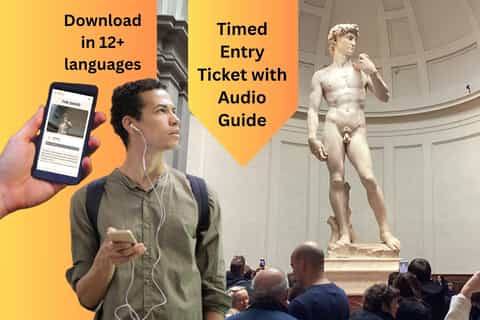
The interior view of a museum gallery with a large marble statue and visitors
David changed the museum’s centre of gravity The sculpture arrived in 1873 and the Tribuna was later created around it. The room you see now reflects that shift from academy collection to museum of a single masterpiece.
How it changed

Seven phases that turned an academy into a museum

This place was not made in one clean moment. It changed through reforms, collecting, relocation, display choices, and later conservation. Each layer left a visible trace.

01 1784

The academy was reorganised under Pietro Leopoldo

The first phase turned teaching into an institutional project. The academy took shape in spaces linked to the former Hospital of San Matteo and the convent of San Niccolò di Cafaggio, so the new use replaced older civic and religious functions.

What remains The museum’s mixed layout still reflects reused buildings rather than a purpose-built gallery.
02 Late 18th to early 19th century

Works from suppressed churches and convents were added

After religious houses were suppressed under Pietro Leopoldo and later Napoleon, artworks entered the collection. That decision made the museum wider than one school or one artist. It became a place where Florence stored and studied its surviving art.

Important distinction The collection grew by transfer, not by one founding commission.
03 1873

David was moved into the museum

Michelangelo’s David came from Piazza della Signoria in 1873 for protection and conservation. The move changed how visitors read the building. One sculpture became the reason many people came, but it did not erase the older academy layers.

Visitor takeaway The famous statue is a later arrival. It sits inside an older museum structure.
04 1882

The present Galleria was established

The current museum took shape in 1882. Emilio De Fabris designed the Tribuna specifically around David, so architecture and display began working together. This phase made the museum feel like a destination rather than only a storage place for works.

What to notice The Tribuna’s purpose is not neutral. It was created to frame one sculpture.
05 19th century

The Gipsoteca gave plaster casts a new role

The plaster-cast gallery grew into a major section of the museum. It shows artistic teaching in physical form, with models and copies used for study. That makes the Accademia feel less like a shrine and more like an art school enlarged into a museum.

What remains The casts still show how artists learned by looking, measuring, and copying.
06 19th to 20th centuries

The musical instruments collection added another layer

The museum’s historic instruments came from Medici and Lorraine collections. They widened the story beyond sculpture and painting. The gallery now links visual art with sound, court culture, and object collecting in Tuscany.

Visitor takeaway The museum is not only about marble. It also preserves court craftsmanship and music history.
07 2022

The Gipsoteca was reopened in a redesigned presentation

The plaster-cast gallery reopened in 2022 with a new arrangement. That change did not add new history, but it altered how visitors read the older one. The museum keeps rethinking how teaching objects should be seen.

Look behind the change The space now makes the educational role easier to understand.
Technique

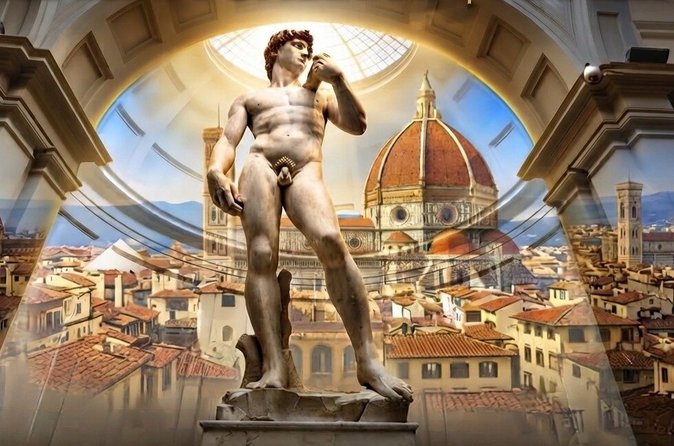
David changed the whole room

The Tribuna was designed around the statue after the move. That is why the sculpture feels centred from several angles, not just from one front view.

Power

The museum grew through decisions by rulers and institutions

Pietro Leopoldo, later French rule, and museum directors all shaped what entered the collection. The building records power as much as art.

Loss

Suppressed churches and convents changed the collection

Some works survived because they were moved here. The museum is partly a record of loss elsewhere in Florence.

Five dates worth remembering before you visit

You do not need to memorise every patron or artist. These few dates explain why the museum feels layered, and why David is only one part of the story.

  1. 1784: Pietro Leopoldo reorganised the Florentine art academy and set the museum’s story in motion.
  2. 1873: Michelangelo’s David entered the Galleria, changing the museum’s public identity.
  3. 1882: The present Galleria was established, and the Tribuna was created around David.
  4. 2022: The redesigned Gipsoteca reopened, showing the museum’s continuing reinterpretation of its own collection.
  5. 2026: The museum’s current regular opening pattern remains Tuesday to Sunday, which helps visitors plan around the old rhythm of the institution.
Architecture & meaning

What the museum’s rooms are really doing

The original function explains the form. These rooms were made to teach, collect, and display. That is why the building feels like a sequence of learning spaces rather than one grand hall.

How the building works

A reused complex with rooms that guide movement

The museum uses former religious and civic spaces, then adds later display choices around them. Visitors move from broad rooms to more focused ones, which is why the route feels like a lesson in sequence as much as in art.

  • The Tribuna isolates David as a centrepiece.
  • The Prisoners corridor turns the approach into a slow reveal.
  • The Gipsoteca and instrument rooms sit beside the main Michelangelo route.
Why the layout matters

The museum says “study before spectacle”

The collection is arranged so visitors meet unfinished sculpture, painting, casts, and instruments around the famous statue. That order tells a story about process, not only perfection. It also reflects the museum’s old role in art education.

  • Unfinished works make carving visible.
  • Painting rooms widen the story beyond David.
  • The Galleria is an Italian state museum within the GAMB institute.

The first thing people misread

Most people think the museum is one room built for one statue. It is not. The building started as an academy, then gathered works, then changed again when David arrived. The famous sculpture is the last layer that most visitors see first.

That is why the route matters. If you read the museum as a single stop, the unfinished works and the painting rooms feel secondary. If you read it as a sequence, they become the point.

The second thing people misread

Visitors often assume the present look comes from one campaign. It does not. The museum is a chain of decisions: academy reform, later transfers, David’s move, and the 1882 Tribuna.

That is also why the museum still matters. It preserves Florence’s art history as an institutional story, not just as a gallery of famous objects.

What to notice

Six details that make the visit clearer

The room can feel crowded with famous names. A short list helps more than trying to study everything at once. Start with the layers, then look for the parts that reveal them.

1. The Tribuna’s shape

It exists because the museum was redesigned around David in 1882. Look for how the room separates the sculpture from the rest of the collection.

2. The approach to the Prisoners

The unfinished figures work as a passage, not a side display. They prepare you for David by making Michelangelo’s process visible first.

3. The Gipsoteca’s status

The plaster casts are not filler. They show the academy’s teaching role, which is why the museum still feels educational rather than purely monumental.

4. The museum’s mix of collections

Paintings, sculpture, and instruments sit together because the institution grew from study and collecting. That mix is part of its identity, not a modern add-on.

5. The moved works

Some objects entered after church and convent suppressions. That makes the museum a record of Florence’s losses as well as its taste.

6. The academy memory

The building still behaves like a place for looking closely. If you slow down, the arrangement makes more sense than if you rush straight to the statue.

Ready to visit

Look at it as layers of history, not one famous room

Begin with David, then step back to the Prisoners, the older collection rooms, and the Gipsoteca. That order turns the visit from a photo stop into a clearer read of Florence’s art history.