Find David in the Tribuna
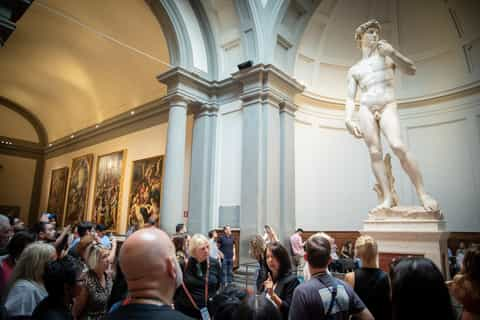
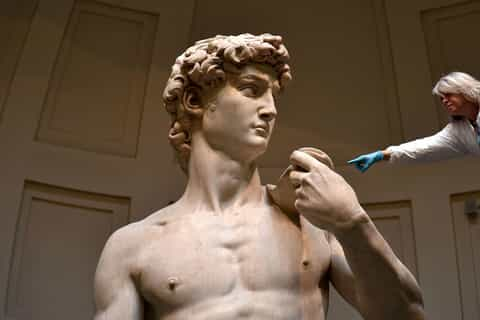
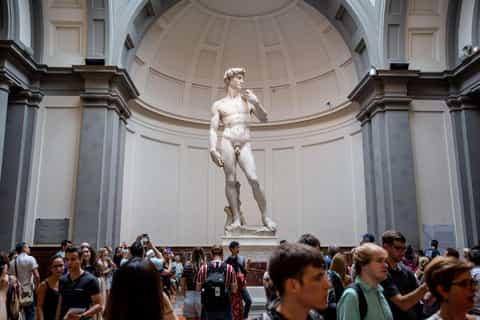
Stand back first. The sculpture fills the room, but the best first view is from the centre line. Then move slowly around it and notice how the carved base lifts the figure higher than eye level.
Start with David in the Tribuna, notice the unfinished Prisoners on the way there, then choose whether to add the Gipsoteca, the Musical Instruments rooms, or a short walk toward Piazza San Marco.
Do not try to see everything at once. Follow the Michelangelo rooms first, then add one painting room or the musical instruments if you still have energy.
Stand back first. The sculpture fills the room, but the best first view is from the centre line. Then move slowly around it and notice how the carved base lifts the figure higher than eye level.
The Gallery of the Prisoners sits on the route toward David, so do not rush past it. The rough blocks and half-released figures show Michelangelo working through form, not just presenting finished marble.
This is one of the best places to reset after David. The room gives you a wider view of Florentine art, with large-scale sculpture and painting around it. It stops the visit from becoming a single-image stop.
Michelangelo’s St Matthew remains unfinished, so it works well after the Prisoners. It gives you another view of the same process. The Palestrina Pietà also rewards a slower look than most visitors give it.
The plaster-cast gallery is easy to skip, but it shows a different kind of museum. The models and casts add context for later sculpture and help explain how the museum became more than a David stop.
The Museum of Musical Instruments gives the visit another direction. The collection connects the Accademia to Medici and Lorraine taste, so it adds sound and craft to a museum many people expect to be only sculpture.
The painting sections are not filler. They show Florence from medieval gold-ground works through the Renaissance. If you only go to David, you miss the visual world that shaped the sculpture around it.
Regular opening is Tuesday to Sunday, 08:15–18:50, with last admission 40 minutes before closing. Build the visit around David, then choose one extra section. That keeps the day realistic and leaves time for security and the walk between rooms.
Do not automatically add every nearby attraction. Choose one or two based on time and energy left.
This square is the easiest nearby add-on. It gives you a breather without repeating the museum. Use it as a short reset before lunch or your next timed stop in central Florence.
The cathedral area sits close enough for the same day, but it changes the focus from sculpture to architecture and city space. That makes it a strong follow-on when you still have energy after Accademia.
The Accademia + Bargello combination makes sense for sculpture-focused travellers. It adds depth rather than repetition, because both places reward attention to stone, form and the history of collecting in Florence.
If you need a pause, this area is a practical place to stop before the next booked thing. It keeps you close to the museum and avoids crossing town just for a meal.
It is a major museum, but it does not repeat the Accademia visit. That also means it deserves its own time. Add it only if you have a long Florence schedule and no tight afternoon plan.
It matches the Accademia’s best rooms and gives you a fuller sculpture day without turning the visit into repetition.
It is the simplest outdoor pause. You get space, not another queue.
It adds architecture and city life, which gives the afternoon a different shape from the museum.
A guide helps if you want context on David and Michelangelo. Independent entry works if you mainly want time inside the rooms.
Start with David, then the Prisoners, then one extra room such as the Gipsoteca or the musical instruments.
Choose either Piazza San Marco, the cathedral area, or the Bargello pairing. Do not try to fit all three into the same morning.
The choice depends less on the ticket name than on what you actually want: simple entry, a guide, audio help, or a second museum in the same day.
You get access for a set time and can focus on the rooms that matter most to you. You do not get live interpretation, so this suits travellers who already know what they want to see.
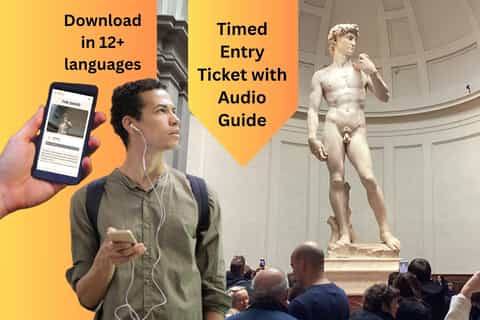
This gives you a set museum time and a recorded explanation. It is useful if you want freedom inside the galleries but still want help with the main works.
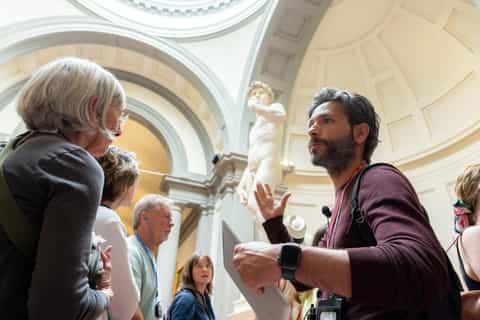
A live guide adds meaning to the Prisoners, St Matthew and David. It is the best fit when you want someone to point out what to notice, not just let you walk through.
This suits travellers planning a sculpture-heavy day. The best use is a second Florence museum, not a random add-on that leaves you rushing between queues.
These six options differ by guide style, ticket type, and whether they stay focused on David or add more museum context.
Most reviewed
Choose this if you want the strongest review count here and a guided visit that keeps the David stop organised around a booked entry time.
Lower starting price
A good fit if you want a simpler visit and do not need a live guide. The audio help adds structure while keeping the day more independent.
Skip-the-line entry
Useful if you want a quicker entry style and a visit focused on the museum itself. It is a good middle ground when you want less planning than a guided tour.
Highly rated tour
Pick this if you want a live guide and a museum ticket in one booking. It works well for visitors who prefer the whole visit handled in a single format.
Guided + second site
Best if you want the Accademia visit folded into a wider day out. It suits cruise travellers who want Florence and Pisa in one booking.
Flexible option
A straightforward choice if you mainly want entry at a set time. It is the simplest option for travellers who plan the rest of the day themselves.
Accademia Gallery Tickets is an independent visitor guide and is not the official Galleria dell’Accademia di Firenze website. Some links are affiliate links, which means we may earn a commission at no extra cost to you. *Ratings, review counts and starting prices come from the supplied booking data and can change; check the live booking page for your date and selected option.
Keep meals simple and close to the next stop. That protects the day better than trying to force in a long lunch after a timed museum visit.
Choose a simple coffee or snack near the museum if you need fuel before entry. Short and local works best when you have a booked time to meet.
This is the cleanest place to stop after the museum. It keeps you nearby and gives the next part of the day a proper break instead of another queue.
If you are continuing toward Florence Cathedral or the centre, eat before the next attraction. That keeps the route smooth and avoids a rushed sit-down between tickets.
The difference between a good day and an exhausting one is usually how many separate things someone tries to fit around a timed museum stop. Keep one main priority, leave space for security, and avoid stacking another timed entry too tightly after Accademia.
Personal photography may be allowed where permitted, but the visit is still better planned around the rooms and works you want to see.
Combination bookings can sound similar, but the second museum or attraction is not the same in every option.
Security and walking time still happen. Leave slack after the Accademia so the rest of the day does not feel rushed.
The museum visit works best when children have one clear target, such as David or the musical instruments, rather than a long list.
Piazza San Marco is the easiest nearby reset if the galleries leave you wanting air and space before the next plan.
Timed entry is only useful if you arrive at the right slot. Save the voucher and check the entry time again before travelling.
Most first-time visitors should book timed entry, focus on David, the Prisoners and one extra room, then add only one nearby stop such as Piazza San Marco or the cathedral area.